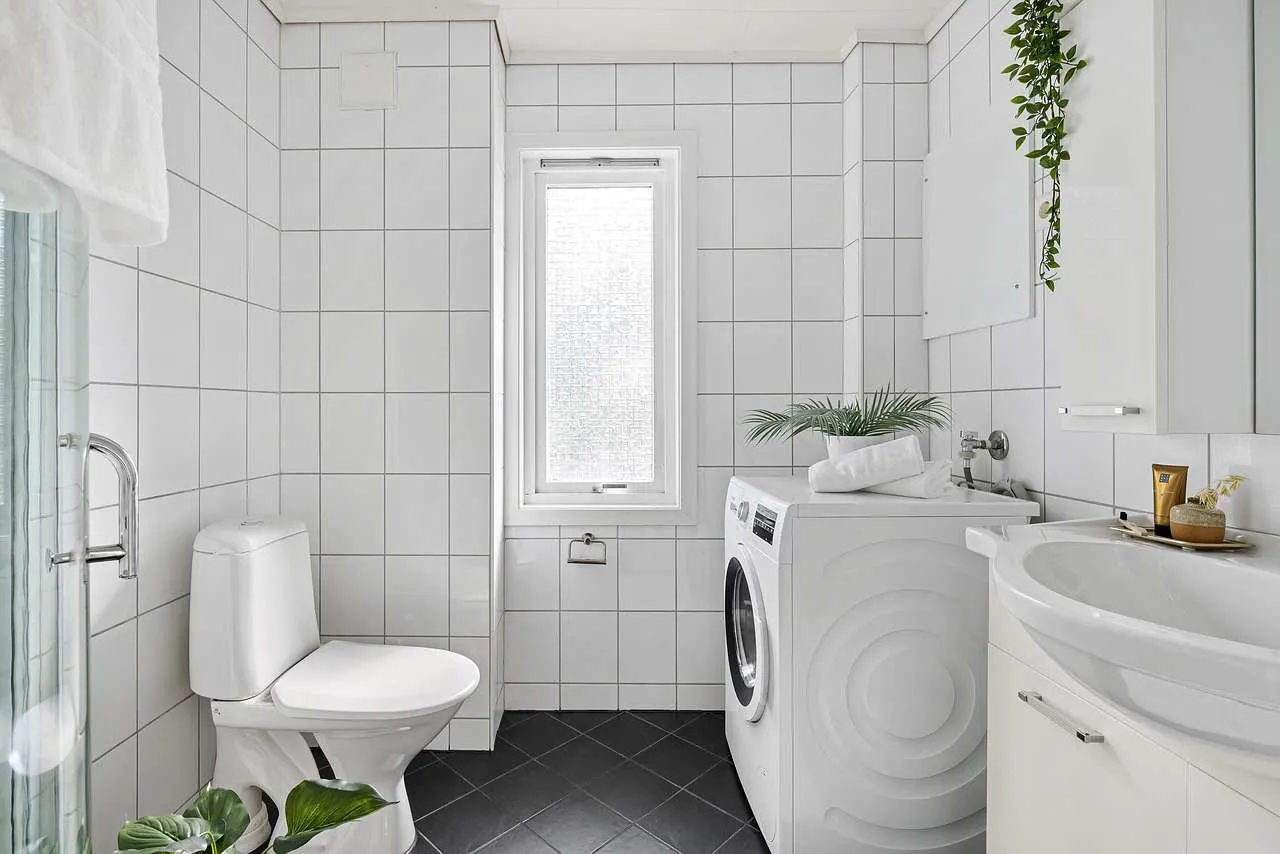
Small bathroom ideas are about turning tight spaces into functional, beautiful rooms. With smart planning, you can create the illusion of space and improve daily usability without major renovations.
Smart principles for small bathrooms
Expert designers and renovators focus on four pillars: maximize floor area, increase vertical storage, choose compact fixtures, and use light and color to expand the perceived space. Durable materials and professional installation also build trust and long-term value.
Layout optimization
Consider a single-wall layout for doors that swing outward, or a pocket or sliding door to save clearance. In a two-wall or L-shaped bath, place a compact vanity and a corner shower to free walking space. A clear shower enclosure makes the room feel larger than a frosted partition, and a well-placed mirror can double the perceived depth.
Storage and fixtures
Vertical storage is your friend. Install tall, slim cabinets above the toilet, recessed niches in the shower, and a mirrored medicine cabinet. Choose a wall-mounted sink and toilet to free floor space. A corner vanity with integrated storage and a slim towel rack reduces clutter and keeps daily essentials in reach.
Lighting, color, and materials
Layer lighting with two or three sources: ceiling fixtures, task lights by the mirror, and ambient lighting. Light colors reflect more light, so pale neutrals with pops of color in towels or accessories work well. Glass shower doors, large mirrors, and glossy surfaces brighten the room. Use moisture-resistant materials like porcelain tile, waterproof vinyl, and solid-surface countertops to ensure longevity in damp spaces.
Budget-friendly upgrades
Small changes deliver big impact. Update fixtures to water-efficient models, install an anti-slip floor, and add a frameless shower door for a seamless look. If plumbing work is limited, opt for a floating vanity with integrated storage and a wall-hung toilet to visually extend the floor. Consider second-hand or discontinued items if checked for wear and water damage; refinishing can cut costs.
Comparison table of options
| Option | Pros | Cons | Best For |
|---|---|---|---|
| Wall-mounted vanity with sink | Creates open floor space, easy cleaning | Can be pricier and may require solid wall support | Slim under-sink storage and modern look |
| Pocket sliding door | No swing clearance, improves flow | Installing can be complex | Very small footprints |
| Compact toilet with concealed tank | Reduces bulk, improves sightlines | Maintenance access behind unit | Maximizing rear clearance |
| Corner shower with glass door | Efficient use of corner, light | Requires precise tiling and fit | Shower comfort in tight spaces |
Practical checklist
Before you start, measure precisely from wall to wall, confirm plumbing positions, and mock layouts on the floor with painter’s tape. List required electrical work and ensure GFCI protection where needed. Use moisture-rated materials and plan for ventilation. If in doubt, consult a licensed contractor or interior designer who specializes in small spaces to ensure code compliance and long-term durability.
Conclusion, thoughtful layouts, efficient storage, and durable finishes turn small bathroom ideas into a spacious, functional space that adds lasting value to your home.