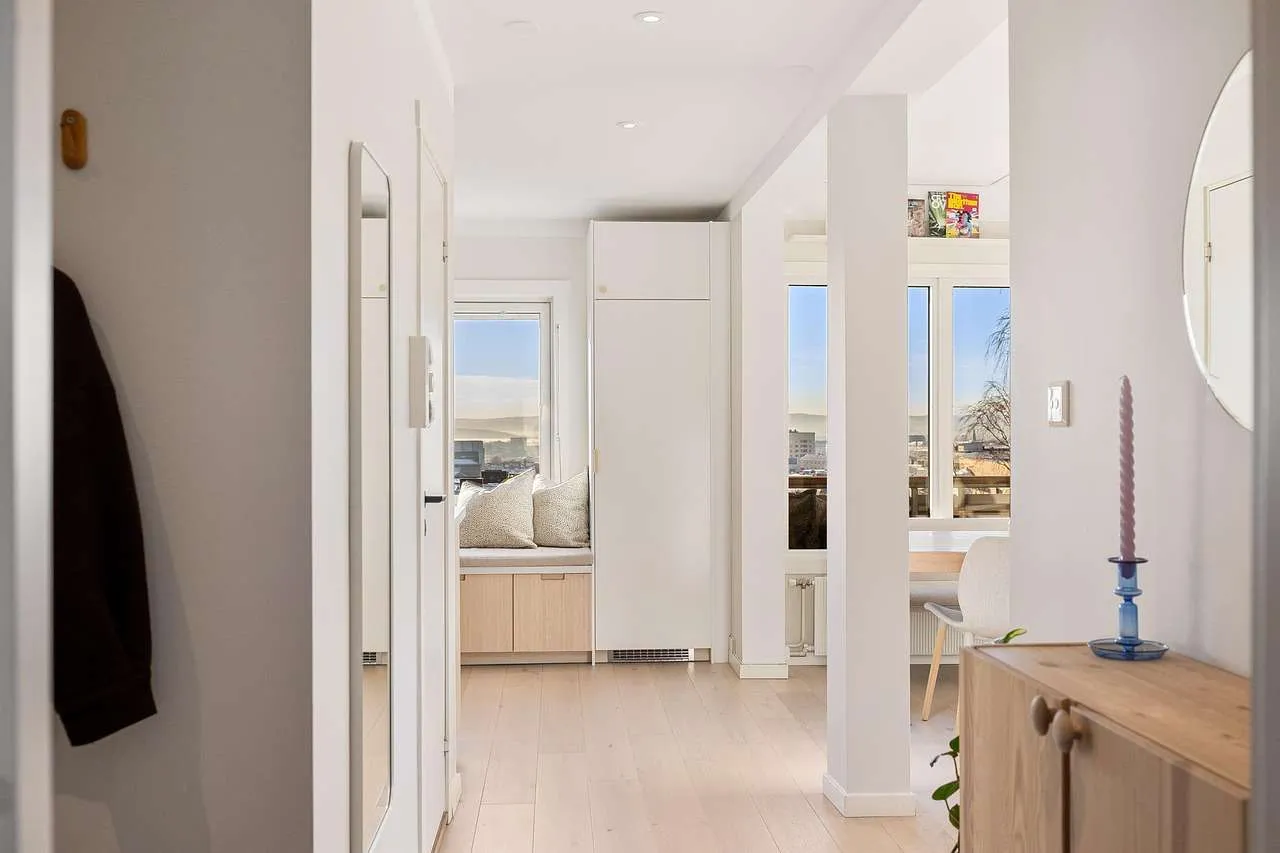
Home window tinting is a practical upgrade for many residences. By reducing solar heat gain, blocking UV rays, and improving privacy, tinting can enhance comfort and curb appeal without sacrificing natural light. This guide delivers practical insight for homeowners who want to understand options, costs, and best practices, backed by industry expertise and standards. Whether you own a new build or a long-time residence, the right tinting strategy can deliver measurable comfort and energy savings when installed correctly.
What is home window tinting
Home window tinting refers to a thin film applied to the interior surface of glass to control light transmission, heat, and glare. Modern window films are designed to reject infrared radiation while letting in visible light, preserving external views. Unlike heavy drapes or blinds, tinting works continuously, day and night, and often carries warranties from reputable manufacturers. For homeowners, tinting is an investment in comfort, protection for furniture and flooring, and potential energy savings.
Benefits of home window tinting
- UV protection: Most films block up to 99% of ultraviolet rays, slowing fading of fabrics, carpets, and artwork.
- Energy efficiency: Heat rejection reduces cooling loads in summer and can moderate indoor temperature swings.
- Glare reduction: Less glare improves TV viewing, computer use, and reading without sacrificing daylight.
- Privacy and security: Medium to high privacy depending on film shade, plus a layer that adheres to the glass can deter shattering in some scenarios.
- Preserved views: Specifically with lighter shades, tinting maintains visibility to the outdoors while delivering sun control.
Types of window film
Choosing the right film involves balancing performance, appearance, and cost. Here are common categories used in residential projects:
Dyed films
Dyed films are affordable and offer good glare reduction with a natural appearance. They typically provide moderate UV protection and heat rejection but may fade over time if exposed to harsh conditions.
Metalized films
Metalized films add metal particles to reflect heat. They offer strong heat rejection and privacy but can interfere with radio signals and electronics in some cases. They are durable and perform well in sunny climates.
Ceramic films
Ceramic films use nonconductive particles to reject heat and block UV without affecting signals. They offer excellent clarity, high durability, and strong privacy characteristics with a premium price.
Carbon films
Carbon films are known for a matte appearance and good heat rejection without excessive reflectivity. They strike a balance between performance and cost and resist fading well.
Reflective or mirrored films
Reflective films provide high privacy and heat control by reflecting light, but they can darken interiors and reduce external visibility, especially at night.
Choosing the right tint for your climate and home
Key considerations when selecting tint include Visible Light Transmission (VLT), climate, and aesthetics. A higher VLT leaves more daylight but offers less privacy and heat rejection, while a lower VLT increases privacy and glare control but can darken interiors. For hot sunny climates, prioritize films with high heat rejection and UV protection. For homes near busy streets or on lower floors, privacy and glare control may take precedence. Always verify that the product meets safety and warranty standards and consult a trained installer with experience in your local codes.
Color, shade, and energy balance
Shades range from light (high VLT) to dark (low VLT). The right choice balances comfort, aesthetics, and daylight. Ceramic and carbon films are popular because they deliver strong performance with minimal color distortion and without interfering with electronics.
Installation options and best practices
Professional installation ensures proper adhesion, warranty validation, and optimal performance. Trained installers measure glass profiles, prepare surfaces to remove dust, and apply films with precision to avoid bubbles or edge lifting. If you prefer a DIY approach, be aware that improper installation can lead to peeling, warping, or reduced durability, and may void manufacturer warranties. Always check licensing requirements, insurance coverage, and installation guarantees before booking.
Maintenance and care
Maintenance is simple: use a soft, non-abrasive microfiber cloth with a mild, non-ammonia cleaner. Avoid harsh chemicals that can degrade films over time. Do not scrape surfaces with abrasive materials. Regular cleaning helps preserve clarity, resin-backed adhesives, and long-term durability. Most films carry factory warranties for peeling or discoloration, provided installation and care guidelines are followed.
Costs and return on investment
Costs vary by film type, area covered, and installation complexity. Typical residential window tinting costs range from a moderate to a premium price depending on the film’s performance. While dyed films tend to be the most affordable, ceramic and carbon films offer the best long-term benefits in energy savings and UV protection. A professional assessment can help estimate payback in terms of energy savings, furniture protection, and comfort gains over 5 to 10 years, depending on climate and home orientation.
Legal considerations and warranties
Local laws may regulate window tinting for safety, visibility, and reflective properties, particularly on lower floors and in certain municipalities. A reputable installer will guide you through compliant options and help document warranty terms. Always read product warranties and ensure that coverage includes adhesive, cracking, and fading, and that installation meets industry standards.
Comparison at a glance
| Film Type | UV Rejection | VLT | Heat Rejection | Privacy | Durability | Typical Cost |
|---|---|---|---|---|---|---|
| Dyed | Very High | Medium-Low | Moderate | Low-Medium | Moderate | 3-6 |
| Metalized | Very High | Low | High | Medium | High | 4-8 |
| Ceramic | Very High | Medium | Very High | Medium | Very High | 6-12 |
| Carbon | Very High | Medium | High | Medium | High | 5-9 |
| Reflective | High | Low | High | High | Medium | 3-7 |
Conclusion: Selecting the right home window tinting involves understanding your climate, privacy needs, and budget, and working with a qualified installer who can verify product specs, handle proper surface preparation, and provide warranty support. By balancing UV protection, energy efficiency, and comfort, you can enjoy year-round benefits and preserve interior assets for years to come.
Summary: By understanding film types, installation options, and local regulations, home window tinting can deliver comfort, energy savings, and privacy while protecting valuables from UV damage.